Registered Acupuncturists for Pain, Fertility, Stress & Whole-Body Health
Acupuncture at Triada Health Ottawa provides individualized care for pain, stress, headaches, fertility and reproductive health, pregnancy, sleep concerns, neurological conditions and other health concerns.
Located in Nepean, our Registered Acupuncturists practise Traditional Chinese Medicine and take a whole-body approach to care. Treatment is tailored to your health history, symptoms and goals, whether you’re seeking help with a specific concern or incorporating acupuncture into your broader healthcare plan.
Conditions Acupuncture May Help Support
Pain & Musculoskeletal Conditions
- Neck pain
- Back pain
- Sciatica
- TMJ
- Headaches
- Shoulder pain
Fertility, Pregnancy & Women’s Health
- Fertility
- IVF support
- PMS
- Perimenopause
- Pregnancy
- Postpartum
- Bell’s Palsy
- Trigeminal Neuralgia
- Carpal Tunnel Syndrome
- Symptoms associated with Multiple Sclerosis
- Symptoms associated with Parkinson’s disease
- Brain Injury
- Post Stroke Recovery
Chronic & Complex Health Concerns
- Fibromyalgia
- Myasthenia gravis
- Chronic fatigue syndrome
- Autoimmune Conditions
Stress, Sleep & General Health
- Stress
- Anxiety
- Sleep
- Digestion
- Fatigue
- Inflammation
- Immune support
Facial & Skin Health
At Triada Health Ottawa, acupuncture is frequently integrated with massage therapy, chiropractic care, physiotherapy, and naturopathic medicine as part of a collaborative treatment plan tailored to each patient.
Is Acupuncture Right for You?
Acupuncture may be appropriate for people looking for a natural, evidence-informed approach to managing pain, stress, hormonal concerns, digestive symptoms, or recovery from injury.
Many patients seek acupuncture after trying other approaches, while others choose it as part of a multidisciplinary treatment plan alongside massage therapy, chiropractic care, physiotherapy, or naturopathic medicine.
If you’re unsure whether acupuncture is appropriate for your concerns, your practitioner will discuss your goals and develop a personalized treatment plan.
What to Expect During Acupuncture
During your first visit, there is a detailed intake in which we discuss your symptoms, health history, and goals for care.
Treatment typically involves:
- Placement of very fine, gentle needles
- 20–30 minutes of rest
- A calm, quiet environment to allow the body to reset
Many patients notice:
- A sense of deep relaxation
- Reduced muscle tension
- Improved sleep following treatment
Each treatment is tailored to your individual needs and may evolve as your body responds.
How Acupuncture Works
Acupuncture originated within Traditional Chinese Medicine, where treatment is based on patterns of signs and symptoms considered across the body as a whole.
From a modern biomedical perspective, acupuncture is being studied for its effects on pain processing, the nervous system, local blood flow and other physiological responses. Research and the strength of evidence vary considerably depending on the condition being treated, which is why your acupuncturist will discuss whether acupuncture is appropriate for your individual concerns.
Techniques That May Be Used to Support Your Treatment
In addition, your acupuncturist may incorporate additional techniques to improve circulation, reduce tension, and support your body’s response to treatment.
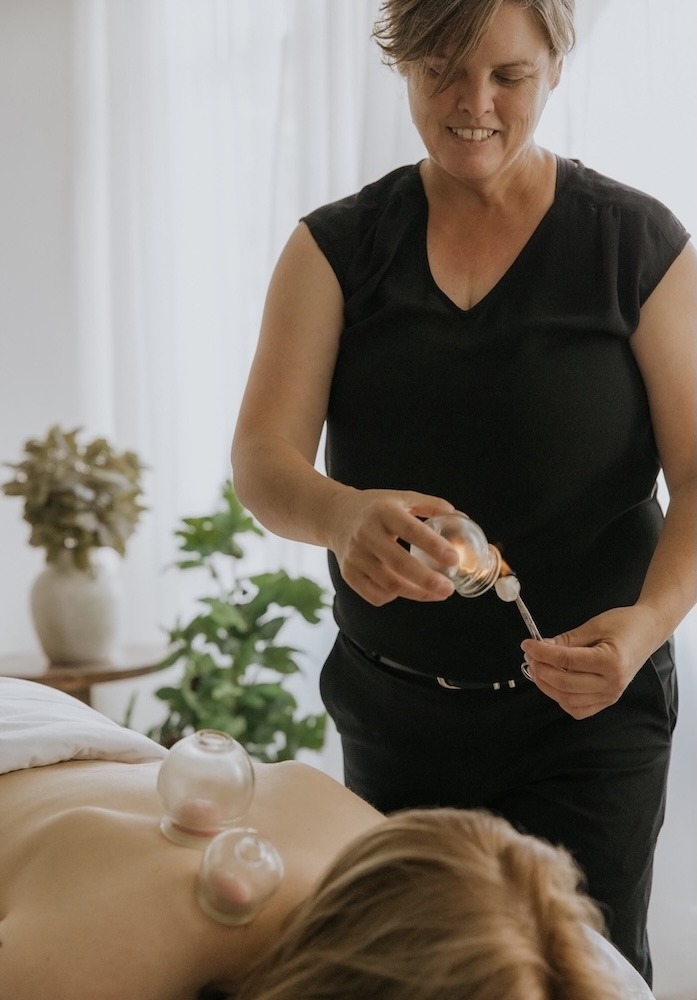
Cupping Therapy
Cupping is often used to improve circulation and relieve muscle tension, particularly for back, neck, and shoulder pain, as well as athletic recovery.
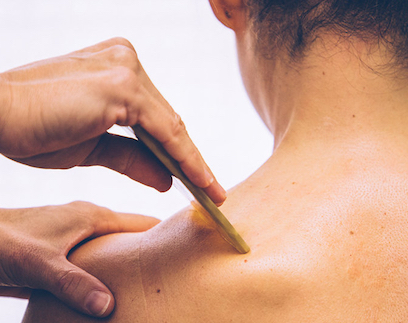
Gua Sha
Gua sha supports circulation and helps reduce muscle tightness and inflammation. It is commonly used for neck and shoulder tension, immune support, and recovery.
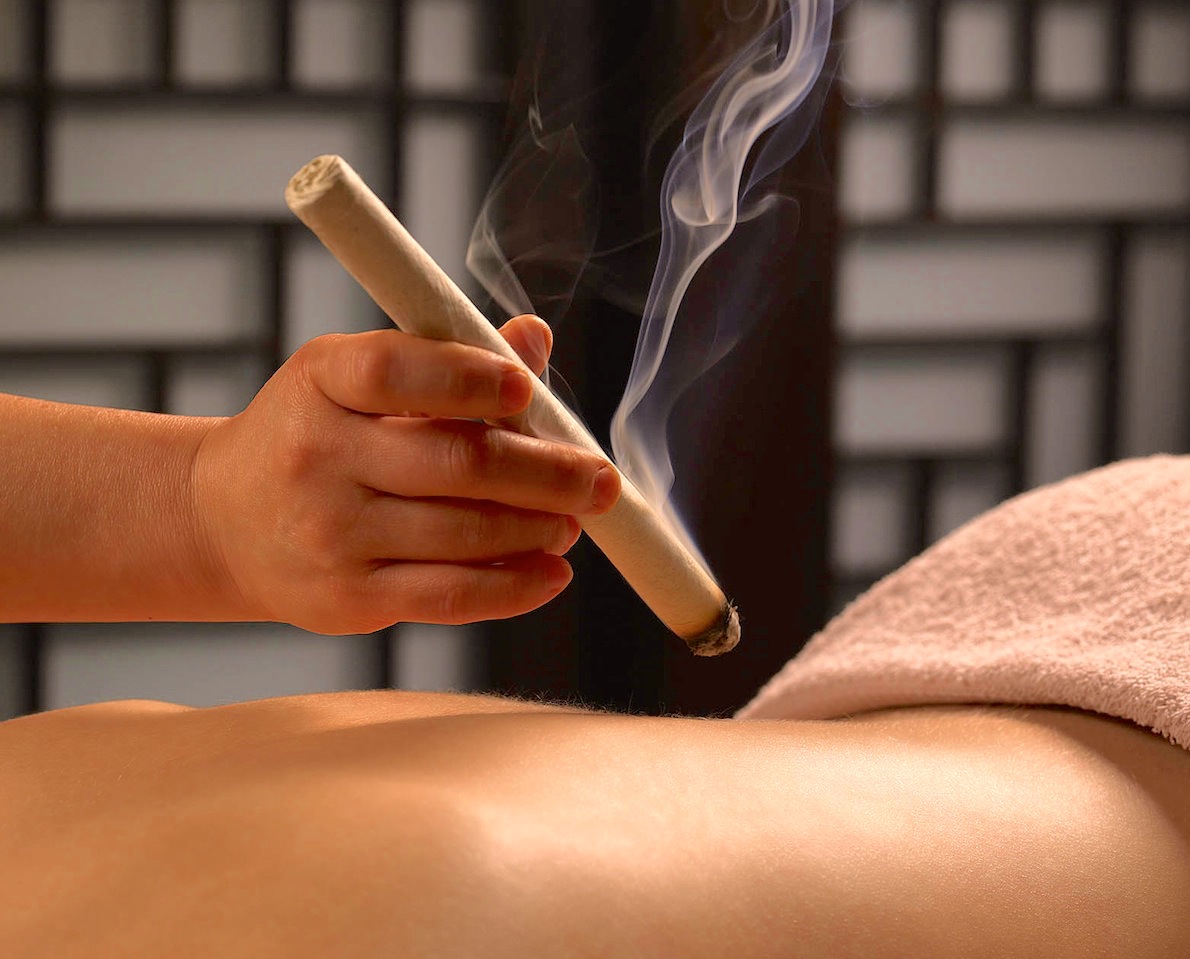
Moxibustion (Moxa)
Moxibustion uses targeted warmth to support circulation and strengthen underlying systems. It is often used for fatigue, digestion, and women’s health concerns.
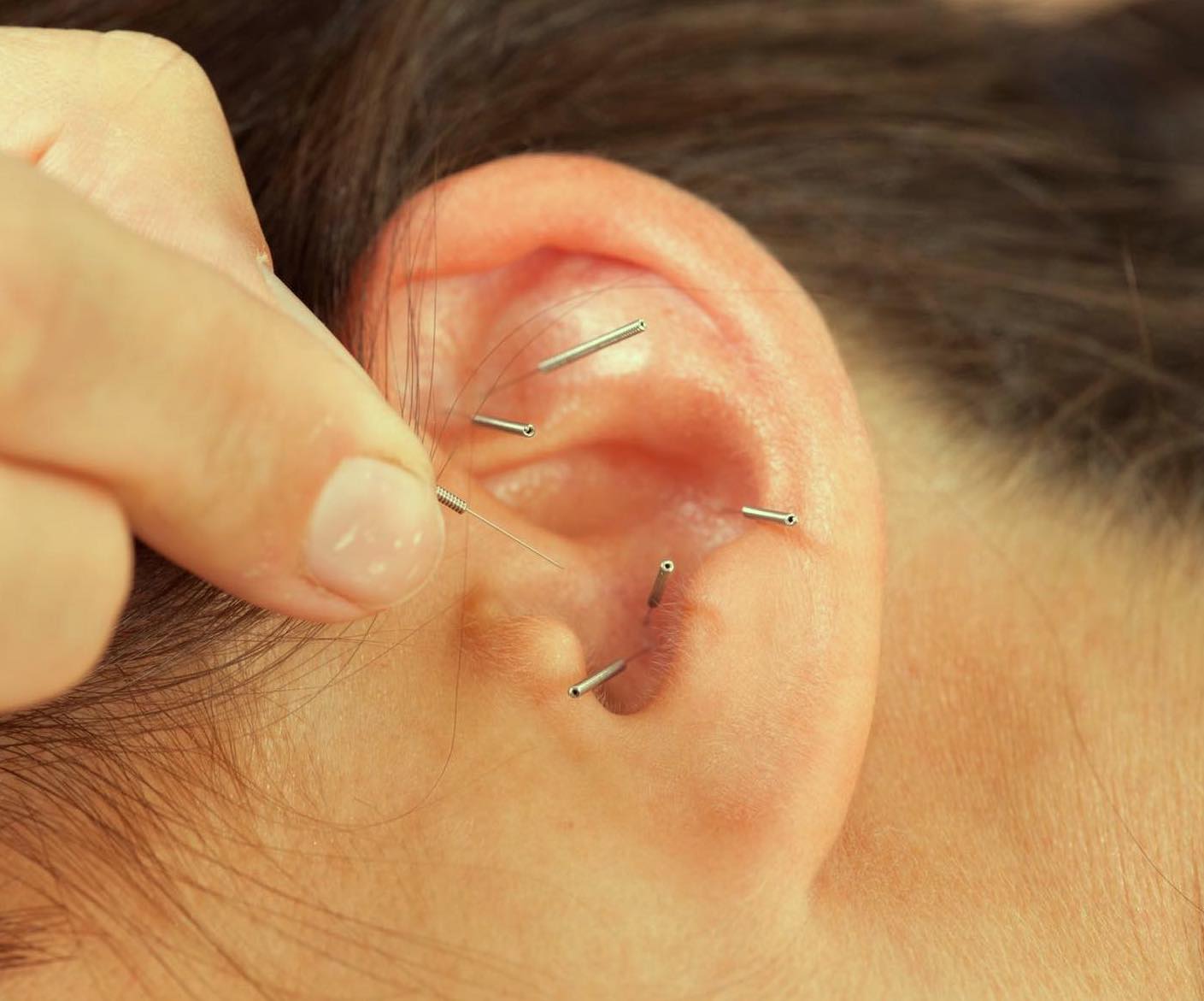
Auricular (Ear) Acupuncture
This technique focuses on points in the ear to help regulate the nervous system. It is commonly used for stress, anxiety, sleep, and overall relaxation.
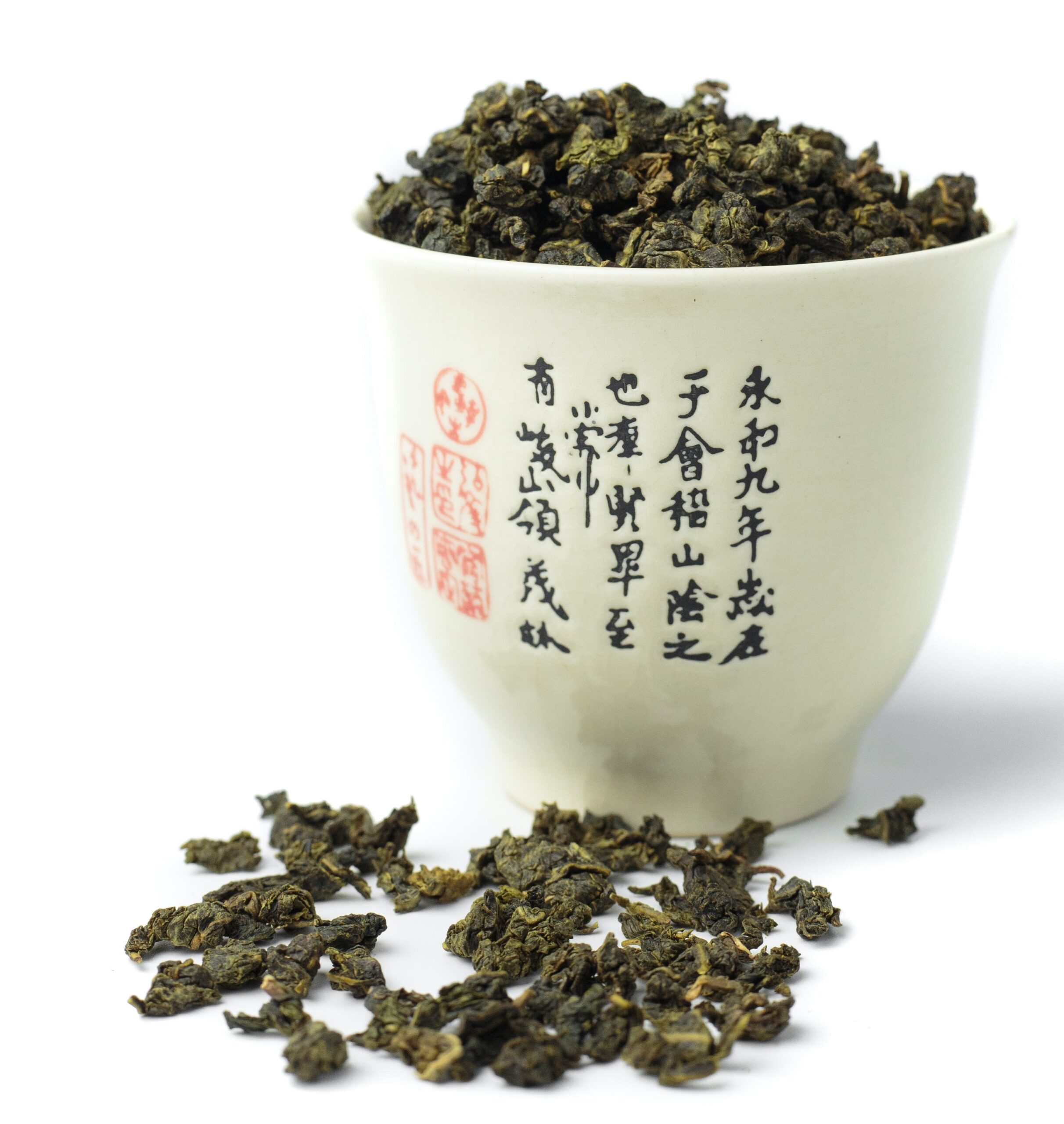
Herbal Medicine (When Appropriate)
Herbal medicine may be recommended in some cases to support ongoing care between treatments, particularly for digestion, hormonal balance, and chronic conditions.
These techniques are always selected based on your individual needs and are integrated into your treatment when appropriate.
How Many Treatments Will I Need?
There’s no one-size-fits-all answer. Some people notice meaningful changes within a few treatments, while longer-standing or more complex concerns often benefit from a longer course of care.
As a general guide:
- Acute or recent concerns: often a shorter course of treatment
- Chronic or recurring conditions: may benefit from more regular treatment initially
- Fertility and hormonal support: treatment may be timed around your cycle, fertility treatment, or changing symptoms
Your acupuncturist will talk with you about what makes sense for your goals and adjust the plan based on how you’re responding. There’s no expectation that everyone needs the same number or frequency of appointments.
Registered Acupuncturists You Can Trust
Acupuncture treatments at Triada Health Ottawa are provided by Registered Acupuncturists trained in Traditional Chinese Medicine and regulated in Ontario.
Just as importantly, we want you to feel comfortable with the person providing your care. Our acupuncturists bring different backgrounds and clinical interests to their practice, but share a thoughtful, individualized approach. We take the time to listen, understand the bigger picture, and adapt treatment to what you need.
Meet our Acupuncturists
Tracey Crocker RAc, RTCMP, Clinic Owner
Tracey has a particular interest in fertility, pregnancy, women’s health, hormonal balance, pain management, stress-related conditions, and Traditional Chinese Medicine. She enjoys helping patients understand what may be contributing to their symptoms and creating individualized treatment plans that evolve with their needs.
Stefanie Manthey RAc
Stefanie’s background in neurosurgical sciences gives her a particular interest in neurological rehabilitation, pain management, women’s health, stress reduction, sleep concerns, digestion, and whole-body wellness.
Acupuncture FAQs
Some people notice a change after their first treatment — often feeling more relaxed, less tense, or noticing a shift in their symptoms. For others, improvement is more gradual and develops over several treatments. How quickly you respond depends on what we’re treating, how long it has been present, and your individual health.
Many extended health benefit plans cover treatment provided by a Registered Acupuncturist. Coverage varies by insurer.
Yes. Many patients receive acupuncture alongside massage therapy, chiropractic care, physiotherapy, or naturopathic medicine as part of a multidisciplinary treatment plan.
Most people are surprised by how little they feel. Acupuncture needles are extremely fine, and while you may occasionally notice a brief pinch, heaviness, warmth, or tingling around a point, treatment is generally very comfortable. Many patients find the experience deeply relaxing.
Acupuncture has a strong safety record when provided by a properly trained practitioner. At Triada, treatments are provided by Registered Acupuncturists who follow Ontario standards for safe practice, including the use of sterile, single-use needles.
No referral is required to book acupuncture treatment.
Eat a light meal beforehand, wear comfortable clothing, and bring any relevant medical information or test results. Your practitioner will review your health history and explain each step of your treatment.
What Does “Registered Acupuncturist” Actually Mean?
Not everyone who uses acupuncture needles has the same training.
Registered Acupuncturists (R.Ac.) and Registered Traditional Chinese Medicine Practitioners (R.TCMP.) complete extensive education in acupuncture, Traditional Chinese Medicine theory, assessment, safety and supervised clinical practice before becoming registered in Ontario.
This training goes well beyond learning how to insert needles. It includes assessing the whole person, interpreting TCM diagnostic findings such as palpation, pulse and tongue diagnosis, developing individualized treatment strategies, selecting and combining acupuncture points, recognizing when treatment may not be appropriate, and providing acupuncture safely.
For patients comparing acupuncture with other forms of needling, understanding the practitioner’s training and professional designation can help you make an informed choice.
Typical Education & Training Comparison
| Training | Registered Acupuncturist (R.Ac.) & (R.TCMP.) | Typical Introductory Dry Needling Training* |
|---|---|---|
| Total Training Hours | 2,600+ hours | 20 to 90 hours |
| Program Length | 3-4 years (Full-time college/university) | 3 to 4 days (seminar) |
| Prerequisites | Post-secondary education | Existing healthcare license |
| Clinical Supervision | 650+ hours treating patients | Limited supervised practical training |
| Standalone License | Yes (Regulated profession) | No (Added roster skill only) |
*Dry needling education varies by profession and course provider. The information above reflects common introductory training programs and is intended as a general educational comparison.
Professional Designations
Registered Acupuncturist (R.Ac.) The standard three-year credential focused on acupuncture assessment and treatment.
Registered Traditional Chinese Medicine Practitioner (R.TCMP.) A four-year designation that includes acupuncture plus comprehensive education in Traditional Chinese Medicine, Acupuncture and herbal medicine.
Doctor of Traditional Chinese Medicine (Dr. TCM) The highest recognized title, typically requiring 5 years of extensive study (acupuncture, herbal medicine, and clinical hours). This professional title is not currently regulated or available for registration in Ontario.
For additional information about the regulation and education of Registered Acupuncturists in Ontario, please visit the The College of Traditional Chinese Medicine Practitioners and Acupuncturists of Ontario.

Recognized for Excellence
Triada Health Ottawa has been recognized as one of the 10 Best Acupuncture Clinics in Ottawa by Best in Ottawa, reflecting our commitment to evidence-informed, patient-centred care.
Ready to See if Acupuncture Is Right for You?
Whether you’re looking for help with pain, fertility or pregnancy, stress, neurological symptoms, or simply aren’t sure whether acupuncture is a good fit for what you’re experiencing, you’re welcome to start with a conversation.
Our acupuncturists will take the time to understand what’s going on, answer your questions, and help you decide on an approach that feels right for you.
🔗 Book Your Appointment Online
📞 613-695-1213
📧 admin@triadahealthottawa.com
📍 Learn more about our team and location on our Our Clinic page.