Is There a Light at the End of the Carpal Tunnel?
Carpal tunnel syndrome is a common condition that affects the hand and wrist, often developing gradually over time. Many people first notice subtle symptoms—numbness, tingling, or weakness—before realizing something more persistent is going on.
It’s frequently associated with repetitive hand use, but it can also appear during pregnancy or periods of increased strain on the body.
What Does Carpal Tunnel Syndrome Feel Like?
Symptoms often build slowly and may come and go at first.
You might notice:
- Numbness or tingling in the hand
- Weakness when gripping objects
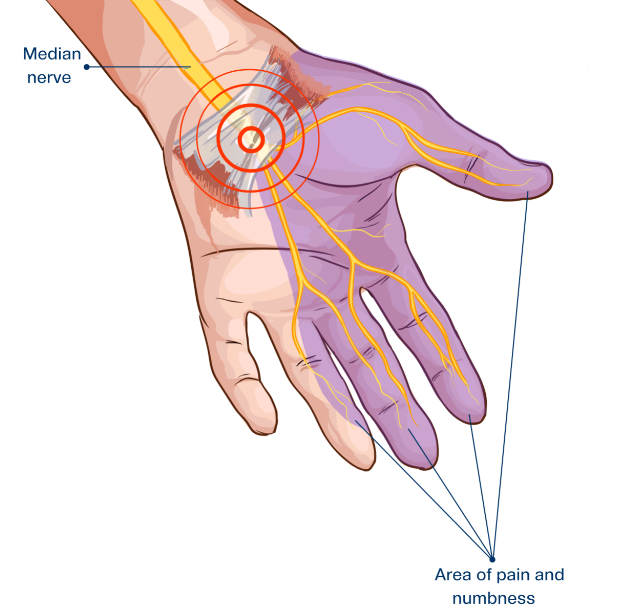
- Discomfort that affects the thumb, index, and middle fingers
For some people, symptoms are worse at night or after long periods of use, such as typing or using a phone.
What’s Actually Happening in the Wrist?
Carpal tunnel syndrome occurs when the median nerve becomes compressed as it passes through a narrow space in the wrist called the carpal tunnel.
This pressure can interfere with how the nerve functions, which is why symptoms tend to involve sensation changes, weakness, or discomfort in the hand.
However, the wrist isn’t always the only place where that nerve can become irritated.
It’s Not Always Just the Wrist
One important thing to consider is that nerve irritation doesn’t always originate at the carpal tunnel itself.
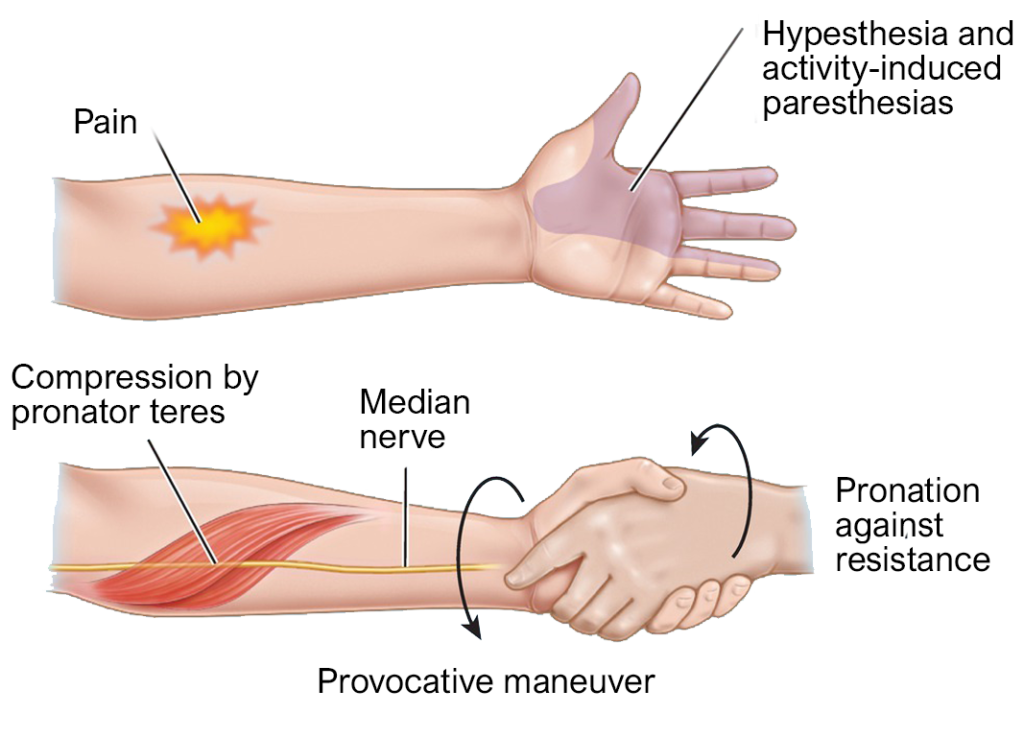
In some cases, the same median nerve can become restricted higher up in the arm in the forearm muscles. This is sometimes referred to as pronator teres syndrome. The symptoms can feel very similar, which is why a thorough assessment matters.
Because symptoms from different types of nerve irritation can overlap, identifying where the nerve is being affected is an important part of assessment. Some people can also have nerve irritation at more than one location along its pathway.
In other cases, tension or movement patterns through the neck can contribute to how the nerve functions overall. This overlap is why conditions like neck pain and nerve-related symptoms are sometimes part of the bigger picture.
What Are the Treatment Options?
In most cases, conservative care is the first step.
This may include a short course of care focused on reducing irritation, improving movement, and addressing contributing factors along the arm and upper body. Many people find that symptoms improve with this approach, especially when caught earlier.
If symptoms persist despite conservative care, surgical intervention may be considered. This procedure involves releasing the structure that forms the “tunnel” to reduce pressure on the nerve.
However, because symptoms can sometimes originate outside the wrist, it’s important to assess the full pathway before deciding on more invasive options.
Looking for Carpal Tunnel Treatment in Ottawa?
If numbness, tingling, hand weakness, or wrist discomfort is interfering with work, sleep, exercise, or everyday activities, a thorough assessment can help determine where your symptoms may be coming from and what type of care is most appropriate.
At Triada Health Ottawa, we look beyond the wrist when needed. Depending on your symptoms, assessment may also consider the forearm, elbow, shoulder, neck, and other factors that can contribute to irritation along the nerve pathway.
Treatment Options at Triada Health Ottawa
Depending on your individual needs, care may include:
- Chiropractic care to assess joint movement, nerve-related symptoms, and contributing factors through the wrist, arm, shoulder, and neck
- Physiotherapy to support mobility, strength, rehabilitation, and activity modification
- Massage therapy to address muscular tension and restrictions through the forearm and surrounding areas
- Acupuncture as another option for managing pain and related symptoms
Because carpal tunnel-like symptoms can have more than one possible source, the right treatment approach starts with understanding what is contributing to your symptoms.
Ready to Get Started?
If you’re looking for help with carpal tunnel symptoms in Ottawa or Nepean, our team can help you choose the practitioner and treatment approach that best fits your needs.
🔗 Book Your Appointment Online
📞 613-695-1213
📧 admin@triadahealthottawa.com
📍 Learn more about our team and location on our Our Clinic page.